
Introduction
The real estate market has seen significant shifts and trends in recent years, and 2026 is no exception. As the world continues to recover from the effects of the pandemic, the real estate industry has experienced both challenges and opportunities. In this article, we will explore the current state of the real estate market and discuss the key factors influencing it.
1. Demand for Residential Properties
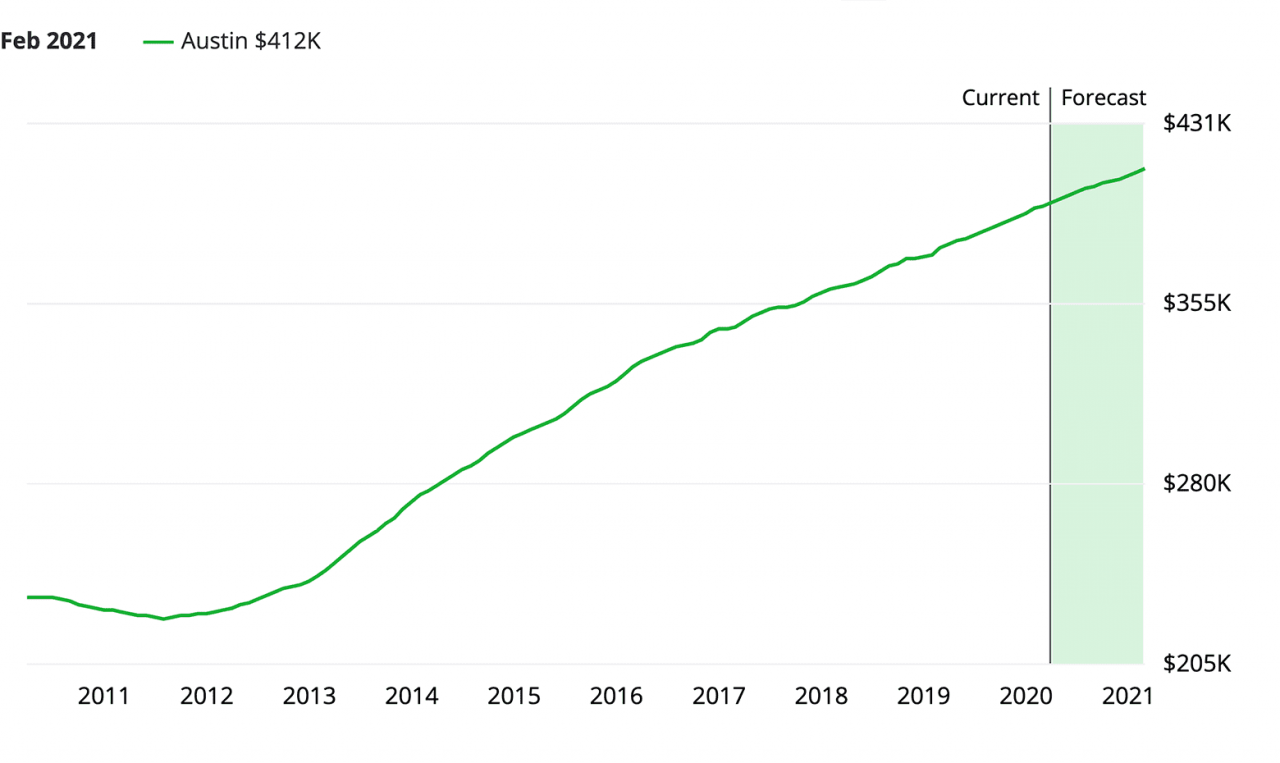
In 2026, the demand for residential properties remains high. With the increase in remote work and flexible schedules, many individuals are seeking larger homes or properties in suburban areas. This shift in demand has led to a surge in prices for single-family homes and townhouses.
2. Impact of Technology
The real estate industry has been greatly impacted by technology advancements. From virtual tours to online property listings, buyers and sellers now have more tools at their disposal. This has made the buying and selling process more efficient and convenient for both parties involved.
3. Rise of Sustainable Homes
In recent years, there has been a growing emphasis on sustainability and eco-friendly living. This trend has extended to the real estate market, with more buyers seeking homes with energy-efficient features and sustainable designs. Builders and developers are now incorporating green technologies into their projects to meet this demand.
4. The Return of Urban Living
While suburban areas have seen a surge in demand, urban living is also making a comeback. As cities recover from the pandemic, young professionals and empty-nesters are once again drawn to the convenience and vibrancy of urban areas. This has resulted in an increase in demand for condominiums and apartments in city centers.
5. Challenges in Affordability
One of the major challenges in the real estate market is affordability. Rapidly rising prices have made it difficult for first-time buyers to enter the market. This has led to a growing demand for affordable housing options and government initiatives to address this issue.
6. Impact of Interest Rates
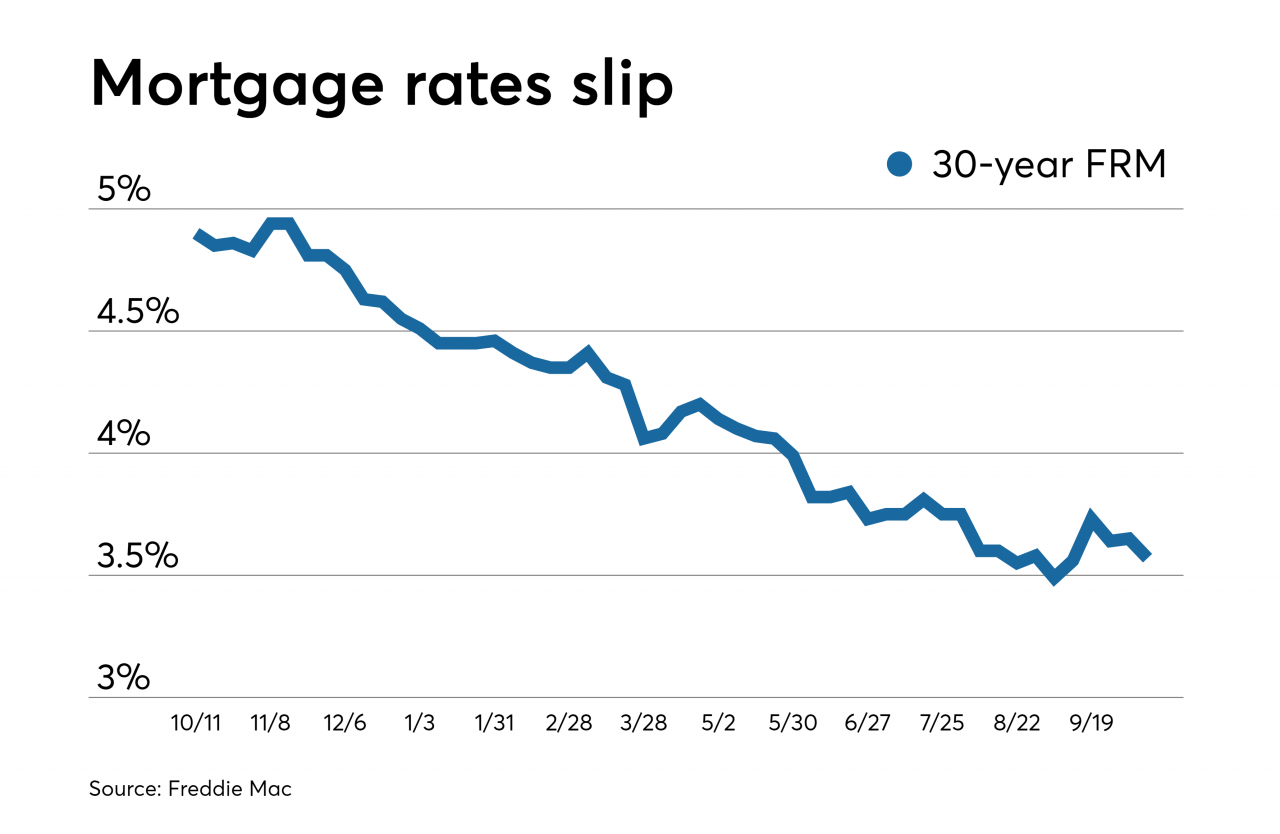
Interest rates play a crucial role in the real estate market. In 2026, low mortgage rates have continued to attract buyers and stimulate demand. However, any significant increase in interest rates can impact affordability and slow down the market.
7. Commercial Real Estate
The commercial real estate sector has faced unique challenges due to the pandemic. With remote work becoming more prevalent, the demand for office spaces has decreased. However, other sectors such as industrial and retail properties have experienced growth as e-commerce continues to thrive.
8. International Investors
The real estate market is not limited to local buyers and sellers. International investors play a significant role in shaping the market. In 2026, there has been an increase in foreign investments, particularly in luxury properties and major metropolitan areas.
9. Real Estate Technology Startups
The real estate industry has witnessed the rise of numerous technology startups. These companies are revolutionizing various aspects of the market, from property management to home financing. Their innovative solutions are streamlining processes and enhancing the overall customer experience.
10. Future Outlook
Looking ahead, the real estate market is expected to continue evolving. Factors such as economic stability, government policies, and demographic shifts will shape the industry’s future. While challenges in affordability persist, opportunities for growth and investment abound.
In conclusion, the real estate market in 2026 is characterized by high demand for residential properties, technological advancements, sustainability trends, and the return of urban living. Affordability remains a challenge, but low interest rates and government initiatives aim to address this issue. Commercial real estate has seen shifts in demand, and international investors continue to shape the market. The rise of real estate technology startups further enhances the industry. As we move forward, the real estate market will continue to adapt and thrive amidst changing circumstances.